Melbourne homes deal with a specific mix of stress: rising water tolls, councils pushing for sustainability results, and an environment that swings from long dry spells to abrupt cloudbursts. Plumbing rests silently at the junction of those facts. When you update it thoughtfully, you reduced your bills, reinforce your home's strength, and reduce need on extended urban water supply. The technique is to choose modifications that fit our local conditions and constructing stock, after that install them well so they maintain doing for years.
Why water performance in Melbourne matters
Greater Melbourne's water use has enhanced since the Millennium Dry spell, yet demand is rising with populace development and hotter summer seasons. Homes still make up a large share of potable water usage, and an unusual amount of that is warmed water, which carries an energy penalty. Every litre you conserve is a litre that does not require to be pumped, treated, and in some cases heated. The gains multiply when you match fixtures with wise controls and storage.
From a price viewpoint, the repayment can be vigorous. I have actually replaced a 12 litre per min shower with a 7.5 L/min WELS 4-star model that still felt charitable. In a three-person household, that swap alone cut approximately 30 to 45 kilolitres per year and cut gas usage connected to warm water by an obvious margin. Once you add a dual-flush cistern and a rainwater system plumbed to toilets, you start to see costs squash also when tariffs creep.
Start with a baseline: audit prior to you buy
The ideal upgrades follow a fast audit. Stroll your house and write down the age and rankings of taps, showerheads, toilets, and the hot water system. Look for persisting leaks, specifically in older copper runs, isolation shutoffs that no more shut, and mixer cartridges that allow by when "off." If you live in a pre-1990s residence in Melbourne's inner suburbs, odds are you have blended pipes vintages, sometimes covered with adaptable adapters that were meant to be short-term. Photo anything suspicious, then talk it through with a certified plumbing professional who understands Victorian regulations.
Two locations typically obtain missed. First, recirculation loops concealed under floors in larger homes that bleed heat if uninsulated. Second, yard taps and irrigation manifolds that leak silently. I have seen homes lose greater than 15 kilolitres a quarter from a sluggish seep at a vacuum breaker in the garden.
Low-flow fixtures that still really feel good
The worry with efficiency is that it will certainly really feel thrifty. That happens with affordable aerators or dissimilar pressures. Done right, low-flow components are as pleasurable as the old installations, in some cases better.
A showerhead is the simplest win. Go for a WELS 4-star or greater, ideally between 6 and 9 L/min, and pick versions developed for the keys stress common in Melbourne, frequently 400 to 500 kPa at the meter in several suburbs. I once mounted a 6 L/min laminar-flow head in a Carlton terrace with excellent stress, and the client favored it to the resort showers they were utilized to. In lower-pressure roads or homes with older galvanised areas, a 7.5 or 9 L/min head with a venturi can prevent the "needle spray" feeling.
Mixers likewise matter. Ceramic-disk mixers with high-quality cartridges offer better control at small flows. Try to find cold-start styles that skip to chilly when the manage is centred, which stays clear of accidental warm water utilize for quick rinses. The WELS tag is your baseline, however you will certainly really feel the difference between a budget tap and a mid-tier one each day. In kitchens, a pull-out spray with two modes lets you wash efficiently without cranking the flow.
For toilets, a modern dual-flush tank rated 4-star or better uses around 3 to 4.5 litres for a half flush and 4.5 to 6 litres for a complete flush. The trapway style and glaze high quality affect just how well they clear at reduced quantities. In small bathrooms where an obstructed toilet would certainly be a headache, select a version with a solid MaP rating and an online reputation among plumbers for reliability instead of the most inexpensive on the shelf.
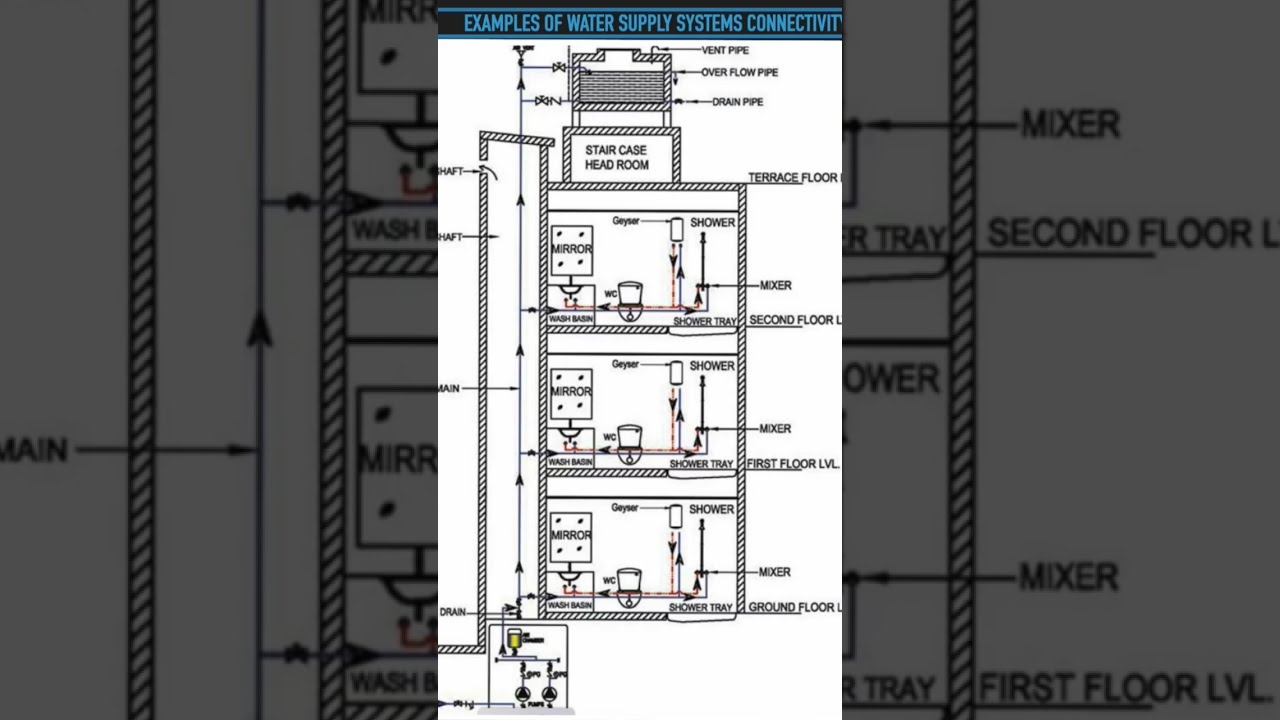
Hot water systems: where performance satisfies reliability
Hot water is where pipes and energy decisions collide. Melbourne's housing stock consists of whatever from 1970s copper tank to contemporary immediate gas units and heatpump. The ideal upgrade depends on roofing orientation, budget, and gas availability.
In homes with reliable gas supply and small warm water need, a high-efficiency continual circulation gas device can be a step up from old tank, particularly if you value small systems and countless supply. Nonetheless, one of the most reliable option for many Melbourne homes today is a heatpump hot water system, especially when paired with roof solar PV. A quality heatpump can provide a coefficient of performance around 2.5 to 4. That indicates you get 2 and a half to four kilowatt-hours of heat for each kilowatt-hour of electricity taken in, equating to huge cuts in running costs and emissions, particularly in daytime operation on solar.
Placement affects performance. Mount the heatpump where it can draw ambient air without recirculating its own cold exhaust, such as a side passage with cross-ventilation. In wintertime, Melbourne early mornings can be cool, so a model with a good low-temperature account helps. Noise is a factor to consider in thick suburban areas; seek devices with evening modes and examine the sound rating in decibels. I have positioned devices on rubber isolation pads and turned follower grills away from bedroom windows, which maintains neighbours happy.
If you are taking into consideration solar thermal hot water, weigh the maintenance and roofing intricacy versus the simpleness of PV plus heatpump. Solar thermal can function well, yet modern-day PV frequently provides more adaptability and easier backup.
Whichever course you take, shield the very first 2 to 3 metres of cold and hot lines at the storage tank and any type of exposed recirculation lines. I have determined over 5 degrees Celsius of warm loss in winter season across uninsulated copper lines in subfloor runs, which compels the unit to cycle more often. Also inspect tempering valves, which are required for safety. A sticky toughening up shutoff makes warm water appear unpredictable and wastes power as users go after the appropriate temperature.
Rainwater harvesting that does actual work
A rain tank becomes worthwhile when it feeds bathrooms, cleaning makers, or the yard as opposed to simply loading a watering can. Melbourne gets sufficient intermittent rain to keep a 2,000 to 5,000 litre storage tank active in most suv blocks with 80 to 120 square metres of roofing catchment connected. The specifics rely on roofing location, downpipe format, and website access.
First, capture cleanly. Fit leaf diverters and first-flush gadgets to minimize particles. A simple debris filter before the pump maintains appliances risk-free. For indoor usage, Victorian standards are clear about heartburn prevention: your plumbing technician must mount a proper device to avoid any type of possible cross-connection with the mains.
Second, choose the ideal pump. Sound and biking are the complaints I hear the majority of. An undersized or improperly matched pump short-cycles when a bathroom loads. A tiny stress vessel on the line reduces starts, and a variable speed pump can stay silent. In a Northcote improvement, changing the pump right into an insulated unit with anti-vibration installs removed a humming resonance that used to lug into the hallway.
Third, strategy overflow courses for storms. Throughout heavy rainfall, tanks fill rapidly. If your overflow discharges to the stormwater system, make certain the link is durable and sized effectively. Numerous older residential properties have mystery clay pipelines that have actually partly fallen down; a cam evaluation saves you from supporting water under your home throughout a downpour.
Plumb rain to all commodes and the cleaning maker to maximize it. In drier months, the automated mains switchover ensures dependable supply. The cost savings vary, but a normal Melbourne household can counter tens of kilolitres per year. The genuine advantage programs in prolonged dry spells, when gardens can still be sprinkled without tapping the keys at peak tariff.
Greywater systems that suit Melbourne blocks
Greywater reuse ranges from easy bucket transfers to permanent subsurface irrigation. The goal is to keep it safe, reduced odor, and automated enough that you will actually utilize it. In lots of detached residences with garden room, a diversion system from the laundry to a committed watering line works well. It bypasses therapy and is made use of within 24-hour, which lines up with greywater ideal practice.
Avoid discharging laundry water with bleach or high-phosphate detergents. Modern cleaning agents classified low sodium and low phosphorus aid secure plants and dirt. A standard filter basket at the diverter protects the line from dust. Subsurface drip irrigation maintains the water away from straight get in touch with and reduces evaporation. This matches Melbourne summers and avoids the dribble on paths that turns slippery in winter.
Full therapy systems generate cleaner water appropriate for more versatile irrigation. They cost more and require upkeep, including pump checks and routine filter replacements. I advise them only when the garden style or household regimens validate the complexity. For many families, a trustworthy laundry-only diversion gives 60 to 80 percent of the advantage at a fraction of the cost.
Before you devote, examine the whole lot format. Inclines, tree origins, and clay-heavy dirts partly of the east and north can affect trench depth and the viability of drip lines. A soak examination with a post-hole digger and a container of water informs you exactly how quickly the soil takes in, which guides emitter spacing. If water pools for mins at a time, you will certainly need bigger spacing and careful loading to avoid surfacing.
Leak discovery and clever metering
Melbourne's water meters are usually positioned at the front border. A peaceful evening reading, adhered to by a 2nd checking out an hour later on with all faucets shut, is a crude yet efficient leak check. If the numbers modification, you have a leakage. The larger offenders are typically hidden: a pinhole in a copper line under the piece, a dripping bathroom cistern with a barely noticeable drip, or irrigation shutoffs that fall short to seal.
Smart water screens, clamped onto the meter pipeline, translate water pulses into use patterns watched on a phone. The value is not the application itself however the behavior it produces. You see a 2 a.m. flow and begin searching, and you capture problems early. I have actually seen one household in Bentleigh save a number of hundred bucks in a year by discovering a slow leak in the rear yard line that had been masked by normal weekend break watering.
Indoors, acoustic leak detectors serve during restorations. Prior to you sheet up walls, stress examination and listen. A twenty-minute test with stress assesses on hot and cold lines defeats the expense of opening a wall later.
Pipe materials and insulation that last
Older Melbourne residences commonly have a mix of copper and areas of galvanized or polybutylene from past fixes. When you remodel, resist patchwork. Pick a regular system, sized for your component count and pressure, and mount it with care. Copper remains a gold requirement, particularly in revealed locations or near warmth resources. Cross-linked polyethylene (PEX) is much faster to mount and usual in modern-day builds, but fittings top quality and appropriate crimping or development are crucial. I have actually fixed numerous PEX joints that fell short because a connector was somewhat ovalised or otherwise completely seated.
Whatever the material, insulate hot lines and any kind of cool lines going through cozy cavities. Cold lines can sweat in humid spells and leak right into subfloors, specifically in shower rooms stacked over laundries. In roofing areas, insulation minimizes warmth gain in summertime, which keeps chilly water really cool. It additionally prevents heat loss from warm water reaching distant bathrooms, which decreases the acquainted delay and the temptation to run taps longer.
Stormwater, seepage, and building health
Sustainability is not just regarding what you eat however where your water goes. Melbourne's hefty downpours bewilder rain gutters and downpipes in older homes. When a downpipe blocks at a bend, water overflows and can track into walls or under floorings. I have raised boards in a Brunswick house to find joists with rot from years of minor overflows. Routine gutter cleansing, adding larger-capacity sumps, and making sure downpipes discharge to working stormwater lines is a defensive upgrade that secures your investment.
Permeable paving and yard swales downstream of downpipes assist reduce the flow and put even more water in the ground rather than the road. Set these with rain containers and you dampen the height tons that can support metropolitan systems. A plumbing technician can install evaluation points on stormwater lines, which makes future jetting easy and avoids an unpleasant dig if the line clogs.
Selecting home appliances that value both water and energy
The most efficient pipes system endures if home appliances overlook it. Front-loading washing equipments normally use less water than top loaders, commonly 50 to 70 litres per cycle compared to 120 or more for older models. When linked to rainwater, a sensing unit that gets used to fill dimension settles doubly. Dishwashers with half-load or eco modes conserve hot water, but their setup should consist of a high-loop or air void on the drain to prevent heartburn and smells, an information lots of installers skip.
If you have a heat pump hot water system and solar PV, choose devices with postponed beginning or connection so you can run warm water draws throughout sunny hours. Some homes route the dishwasher to warm and the washing maker to chilly. That mix maximises solar-heated warm water without overcomplicating. Constantly check the appliance guidebook; a few versions choose cold only.
Practical instance notes from Melbourne homes
A double-fronted Victorian in Fitzroy had stunning initial attributes and plumbing from three ages. The owner wanted lower expenses and less surprises. We began with a component upgrade: showers to 7.5 L/min, new mixers with cold start, and a quality dual-flush suite. Next came a 4,000 litre slimline tank along a side fencing, plumbed to 2 bathrooms and the laundry, with a quiet variable-speed pump. The old gas storage HWS gave way to a heat pump placed next to the storage tank, oriented far from bedrooms. Shielded pipework rounded it out. On tracking, wintertime gas usage stopped by approximately a 3rd, and water usage fell from about 185 to 120 kilolitres every year. The client observed another thing: say goodbye to early morning temperature yo-yo in the shower many thanks to the tempering valve and mixer pairing.
In a 1990s unit in Glen Iris with a tiny courtyard, space was limited. The major steps were a high-efficiency shower, new bathroom internals to stop a continuous drip, a basic washing greywater diversion feeding a planter bed, and a little 2,000 litre round storage tank only plumbed to the washing maker. Even that moderate configuration shaved sufficient off quarterly expenses to pay for the work in a few years, with the added benefit of much healthier roses.
Regulatory and useful guardrails in Victoria
Victorian pipes work is controlled, and for good factor. Any type of link in between rain and the keys requires proper heartburn defense. Gas work and warm water installation should be done by certified professionals. Keep compliance certifications; they matter for insurance coverage and resale.
WELS rankings guide component selection, yet remember they are lab numbers under specific pressure and temperature level. A good plumber changes circulation restrictors if your stress is abnormally high, when to consult a plumber and may add a pressure limiting valve at the meter to protect the whole system. In pockets of Melbourne with older keys, stress can surge during the night when demand decreases. Without a limiter, your hoses and mixer cartridges put on faster.
Consider water firmness and chemistry. Melbourne water is normally soft, which respects home appliances and minimizes scaling in warmth exchangers. That makes heatpump more flexible below than in hard-water regions. It additionally indicates descaling cycles on some continual circulation gas devices can be less constant, though annual maintenance remains great practice.
Costs, repayments, and the straightforward trade-offs
Not every upgrade spends for itself rapidly, and the ones that do are not constantly the sexiest. Aerating taps, low-flow showers, commode replacements, and leak solutions are the speediest returns. Rainwater systems and heat pumps commonly sit in the middle, with repayments influenced by home dimension and energy tolls. Greywater treatment systems with containers and dosing pumps often tend to be longer repayments unless you water thoroughly and value the independence they offer.
Space and sound are genuine restrictions in terrace houses. A heatpump requires an appropriate spot, and pumps on rain tanks can hum. Planning and high quality placing solve much of that, however you ought to understand the trade-off before you commit. In strata residential or commercial properties, usual residential property guidelines can make complex outside storage tanks and pipe runs. Deal with the proprietors firm early; showing thorough strategies with noise specs and backflow steps minimizes friction.
Timelines matter as well. If your old storage hot water storage tank gets on its last legs, waiting weeks for a bespoke service may leave you showering at the fitness center. In those cases, a presented technique works: change the stopping working unit with a momentary effective model, after that revisit the complete system when you can prepare properly.
Maintenance that keeps the gains
Even the most effective upgrades fade if neglected. Inspect these couple of points annually and you will certainly hold onto the benefits:
- Inspect and tidy rainfall storage tank fallen leave diverters, first-flush systems, and pump filters at the start of spring and after large wind events. Change any kind of split seals that let insects in. Test tempering valves and stress limiting shutoffs during your yearly warm water solution, and re-insulate any kind of pipe sections where lagging has actually slipped.
A little interest goes a long method. I have customers who add a schedule pointer for the first weekend of September: rain gutters, container filters, pump test, and a fast meter check for leakages. It takes under an hour and prevents the callouts that constantly appear to arrive at a public holiday.
Bringing it with each other in a Melbourne, VIC house
Think of pipes as a network that moves water, warmth, and pressure. Your work is to lower the amount required, capture and recycle what drops on your roofing system, maintain temperature levels steady, and avoid losses. In useful terms for a Melbourne home, that commonly appears like this: reliable fixtures that feel excellent, a heat pump hot water unit timed to your solar, a midsize rainfall container plumbed to bathrooms and laundry with a peaceful pump, and either a Preparing Pipes for Winter basic laundry greywater diversion or a self-displined watering plan. Surround that with well-insulated pipelines, audio stormwater monitoring, and smart monitoring.
The outcome is a residence that utilizes less water and energy without asking you to alter habits. Your showers are comfortable, the garden holds up via completely dry weeks, and your quarterly bills stop yo-yoing. The house is additionally a lot more durable when the weather activates us, which in this city it will. That mix of convenience, cost savings, and sturdiness is what makes environmentally friendly pipes upgrades worth the effort in Melbourne, VIC.